IFTA Tax Rates in North Carolina (2026)
North Carolina charges one flat fuel tax on everything you burn — 41.0 cents per gallon in 2026 — and then upended Q4 with a temporary suspension. Here are the exact rates, the late-2026 tax holiday you must account for, and how the NC rate changes your quarterly return.
By the HaulMath editorial team · Updated $1
Key numbers at a glance
| Jurisdiction / period | Gasoline ($/gal) | Diesel ($/gal) |
|---|---|---|
| North Carolina, 2026 full-year rate (per NCDOR) | 0.4100 | 0.4100 |
| North Carolina, Oct 10 – Nov 30, 2026 (suspension) | 0.0000 | 0.0000 |
| South Carolina, user fee (Q4 2026 matrix) | 0.2800 | 0.2800 |
| Ohio (Q4 2026 matrix, standard rate) | 0.3850 | 0.4700 |
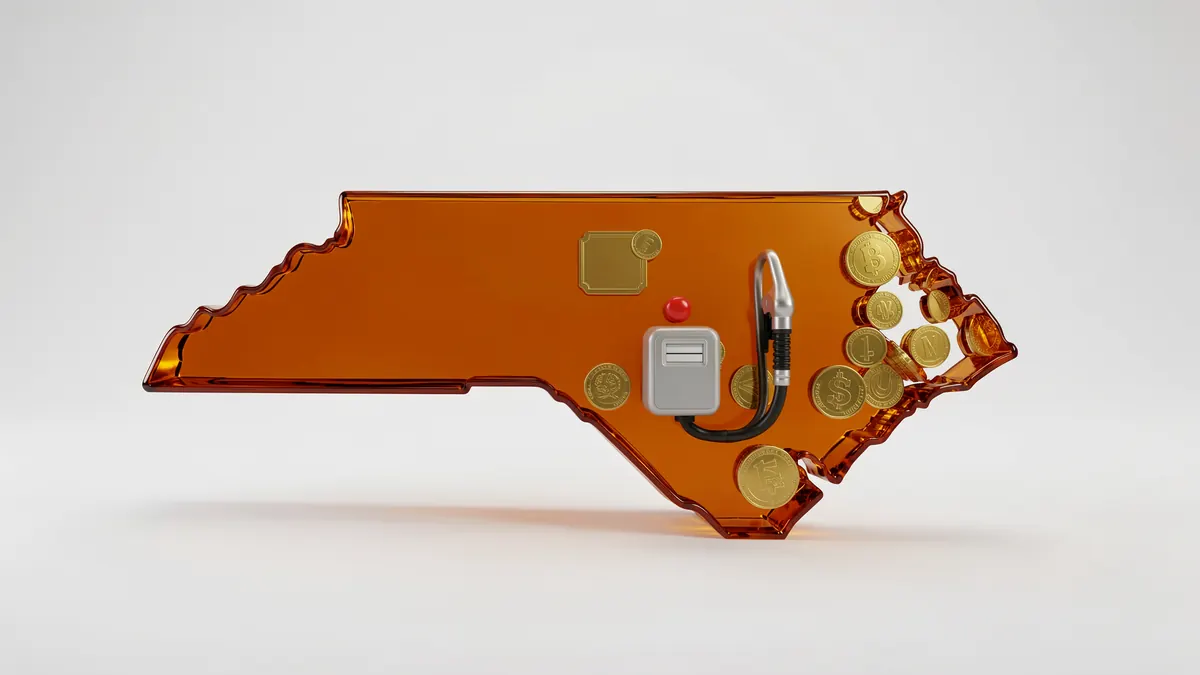
IFTA tax rates in North Carolina
North Carolina taxes motor fuels at $0.4100 per gallon in 2026 — the same figure for gasoline and diesel — under the rate formula the Department of Revenue applies each January 1 (see the NCDOR motor fuels tax rates page). The rate is up from 40.3 cents in 2025 and includes a 0.25-cent per gallon inspection tax. Figures here are as of Q4 2026 — confirm the current official IFTA matrix before you file, because the Q4 2026 situation is unusual.
And it is genuinely unusual: the General Assembly passed, and the Governor signed, a temporary suspension that set the motor fuel excise tax to zero cents per gallon from October 10 through November 30, 2026, with the 41.0-cent rate resuming December 1, per the NCDOR important notice. For an IFTA filer that means your Q4 2026 North Carolina line is really three lines: miles through October 9 at $0.4100, miles October 10 to November 30 at $0.0000, and miles from December 1 at $0.4100.
| Jurisdiction / period | Gasoline ($/gal) | Diesel ($/gal) |
|---|---|---|
| North Carolina, 2026 full-year rate (per NCDOR) | 0.4100 | 0.4100 |
| North Carolina, Oct 10 – Nov 30, 2026 (suspension) | 0.0000 | 0.0000 |
| South Carolina, user fee (Q4 2026 matrix) | 0.2800 | 0.2800 |
| Ohio (Q4 2026 matrix, standard rate) | 0.3850 | 0.4700 |
| Pennsylvania (2026, per PA Dept. of Revenue) | 0.5760 | 0.7410 |
| Oklahoma (Q4 2026 matrix) | 0.1900 | 0.1900 |
| Federal excise (not part of IFTA) | 0.1840 | 0.2440 |
The comparison row that matters most for I-95 and I-85 carriers is South Carolina at 28.0 cents — a 13-cent gap on every gallon. Pennsylvania's 74.1-cent diesel is the regional outlier, and Oklahoma's 19 cents shows how low the floor goes nationally. The federal 18.4/24.4-cent excise never appears on your IFTA return.
How North Carolina IFTA affects your filings
North Carolina is a middle-of-the-pack rate state with a flat structure, so the quarterly impact is predictable: at 6.5 MPG, every 500 NC miles burns about 76.9 gallons and generates roughly $31.53 of fuel tax at the full 2026 rate. Buy that diesel in North Carolina and the tax is already in your receipts as credit; buy it in South Carolina at 28 cents and you have pre-paid about $21.53 against a $31.53 liability — the difference is simply tax due. Run your own lanes through the IFTA calculator to see the split per state.
The Q4 2026 suspension cuts both ways. Diesel bought at NC pumps between October 10 and November 30 carried no state excise tax — so there is little or no NC credit on those receipts. If you kept running NC miles in that window, those miles are also taxed at zero, so the line washes. The risk is sloppy bookkeeping: if your software assumes a flat 41.0 cents for the whole quarter, it will overstate both tax due and credits. Manually verify how your ELD or IFTA service handles October 10 through November 30, and keep the NCDOR notice with your quarterly records.
Rate changes are also why the NC page of your return deserves a second look every January: the formula moved the rate from 40.3 to 41.0 cents for 2026, and it can move again for 2027. Pull the fresh matrix from your base state or IFTA Inc. at the start of each quarter rather than copying last quarter's numbers, and make sure your customer fuel surcharge tracks the taxes you actually pay. For every state on your lane map, the IFTA rates by state hub has the current numbers side by side.
FAQ
What is the IFTA tax rate in North Carolina for 2026?
41.0 cents per gallon on both gasoline and diesel for calendar 2026, set by formula and published by the NCDOR. It includes a 0.25-cent inspection tax and rose from 40.3 cents in 2025.
Why did North Carolina suspend its fuel tax in late 2026?
Legislation signed in October 2026 zeroed the excise from October 10 through November 30, 2026 to cut pump prices; the 41.0-cent rate returned December 1. Q4 filers must split NC miles across the three periods.
Does North Carolina tax gasoline and diesel at the same rate?
Yes — one flat rate, 41.0 cents per gallon in 2026, unlike Ohio (38.5/47.0) or Pennsylvania (57.6/74.1) which charge more for diesel.
How does the NC rate compare with South Carolina?
South Carolina's user fee is 28.0 cents per gallon, about 13 cents less. On a 150-gallon fill that is roughly $19.50 of tax difference between fueling north or south of the line.
How do I file a quarter with a mid-quarter rate change?
Apply the rate in effect when fuel was burned, per your base state's quarterly matrix: 41.0 cents through Oct 9, zero Oct 10 to Nov 30, then 41.0 cents from Dec 1, 2026.