Truck Driver Pay in West Virginia (2026)
Official BLS numbers for heavy and tractor-trailer drivers (SOC 53-3032) in West Virginia, plus what a coal, gas and timber freight economy — and a steadily shrinking income tax — do to real take-home pay.
By the HaulMath editorial team · Updated $1
Key numbers at a glance
| Metric (SOC 53-3032, statewide) | BLS OEWS, May 2025 | Typical market read (hedged) |
|---|---|---|
| Mean hourly wage | $25.21 | Well below the $28.71 national mean |
| Mean annual wage | $52,440 | vs. $59,710 nationally — about $7,270 behind |
| Median annual wage | $49,480 | vs. the national median of $58,640 — about $9,160 behind |
| 10th percentile (annual) | $36,350 | Entry/trainee territory, the lowest floor in this series |

Truck driver pay in West Virginia: the numbers
The benchmark is the Bureau of Labor Statistics OEWS survey for heavy and tractor-trailer truck drivers, May 2025 release. West Virginia counts roughly 12,190 driver jobs — about 17.4 of every 1,000 jobs in the state, a heavy trucking concentration for a small population, because hauling coal, gas and timber is woven through the whole economy. Annual figures assume 2,080 hours, so treat them as full-time equivalents rather than guarantees.
| Metric (SOC 53-3032, statewide) | BLS OEWS, May 2025 | Typical market read (hedged) |
|---|---|---|
| Mean hourly wage | $25.21 | Well below the $28.71 national mean |
| Mean annual wage | $52,440 | vs. $59,710 nationally — about $7,270 behind |
| Median annual wage | $49,480 | vs. the national median of $58,640 — about $9,160 behind |
| 10th percentile (annual) | $36,350 | Entry/trainee territory, the lowest floor in this series |
| 75th percentile (annual) | $58,720 | Barely at the national median of $58,640 |
| 90th percentile (annual) | $72,230 | Below the national $79,380 top cut |
| Hedged hiring range, 2026 | — | Roughly $45,000–$62,000 for experienced company drivers; verify with carriers |
By wage, West Virginia is the softest market among the states in this batch: every published cut sits below national, and the 75th percentile of $58,720 lands within about $80 of what the median American driver earns. Three things put those numbers in context. First, cost of living — consistently among the lowest in the country — stretches a $52,440 paycheck further than the raw gap suggests. Second, the market's center of gravity is extractive hauling, where pay follows commodity cycles, not metro wage floors. Third, the energy segment does produce premium seats — coal, frac sand, produced water and liquids hauling can pay well above the state median when activity is hot — but those booms are regional and cyclical, and the BLS distribution shows how thin the top band is. CPM is the common structure for regional and OTR work; energy hauls mix CPM, hourly and load-based pay, though BLS does not track CPM and offers vary — confirm specifics with the carrier.
How miles and freight shape pay in West Virginia
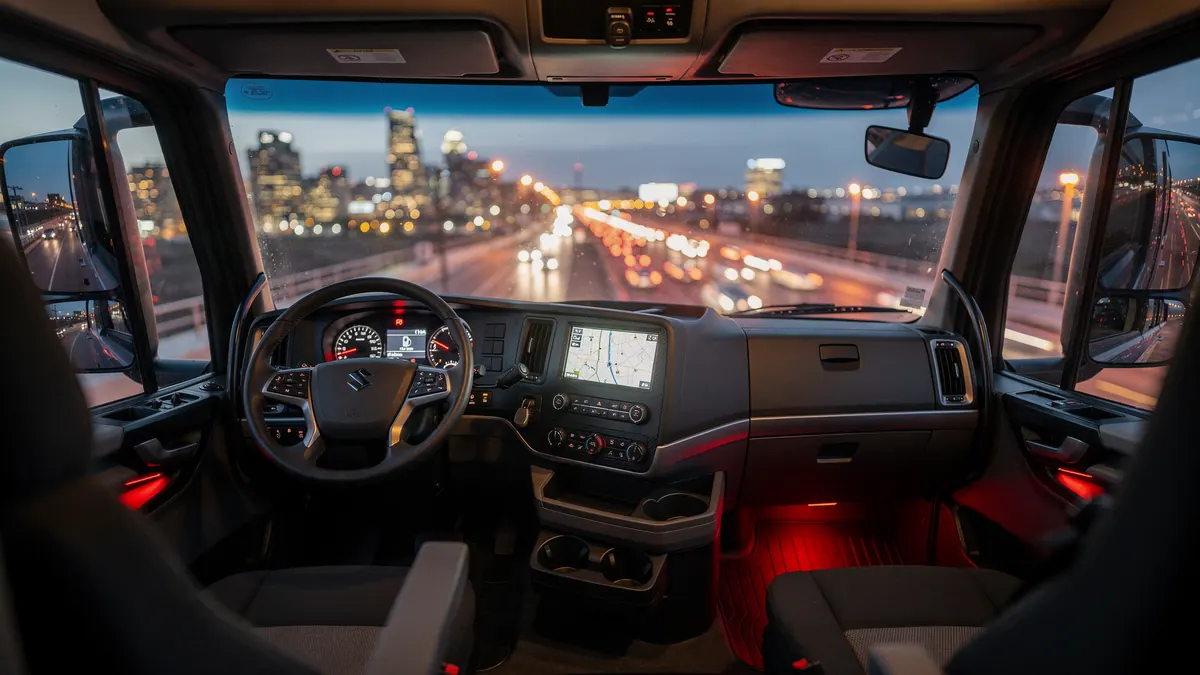
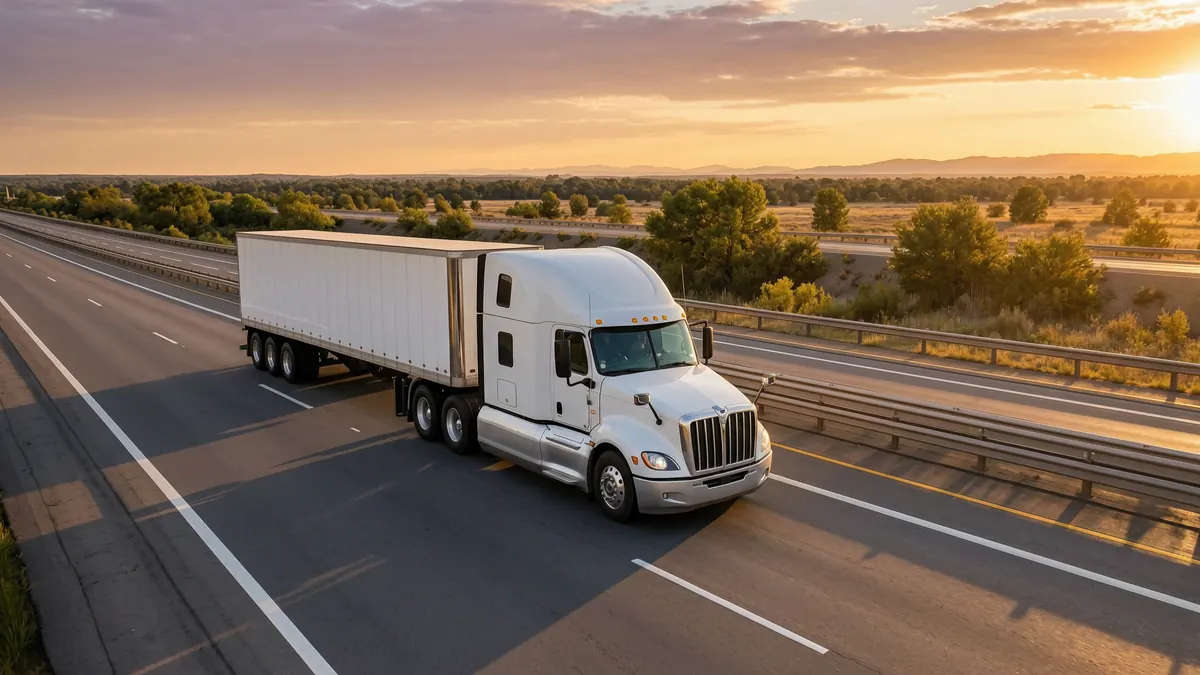
West Virginia freight is Appalachian freight, and terrain dictates everything. The southern coalfields still move coal by truck from mine mouths to river docks, rail loaders and power plants; the north-central counties have seen a decade of natural gas development in the Marcellus and Utica shales, generating frac sand, pipe, produced-water and liquids hauling around the Morgantown–Clarksburg corridor; and timber, aggregate and a modest manufacturing base round out the native freight. On top of that runs through-traffic: I-64, I-77 and I-79 stitch the state into the Mid-Atlantic and Southeast, the West Virginia Turnpike (I-77) carries a heavy share of Kentucky-to-Virginia traffic, and the Mountain State's grades, curves and fog zones are among the most demanding mainline miles east of the Mississippi. Roughly speaking, drivers choose among energy-sector hauls within and around the state (premium when hot, volatile always), regional runs to Columbus, Pittsburgh, Charlotte and the Virginia ports, and classic OTR lanes for carriers based in the neighboring flat states.
The operational cautions write themselves: mountain grades heat brakes and eat tires, two-lane US routes add hours that interstate math hides, and Turnpike tolls are a real line item for trucks. Owner-operators should run every offer through the load profit calculator with honest grade-and-toll assumptions, and know their true cost per mile — mountain wear is a cost, not a rounding error. For more state-by-state comparisons, see the truck driver pay by state hub.
The tax angle in West Virginia
West Virginia taxes wages through a graduated state income tax that the legislature has been cutting in steps: rates spanned 2.2% to 4.82% for 2025, and the top rate drops to 4.58% beginning January 1, 2026 under the phased reductions, per the West Virginia Tax Division. On the $52,440 state mean, the state bite runs roughly $2,200–$2,500 a year before credits — moderate by regional standards, and lighter than neighboring Ohio or Virginia for many filers. Paired with the state's low cost of living, it softens the below-national wage picture somewhat, though not enough to close a $7,000 gap on its own. Owner-operators still owe federal income and self-employment tax; for deduction basics that apply everywhere, see the trucking tax deductions guide.
FAQ
How much do truck drivers make in West Virginia?
Per BLS OEWS (May 2025), heavy and tractor-trailer drivers in West Virginia earn a mean of $25.21/hour or $52,440/year, with a median of $49,480 and a 10th–90th percentile spread of $36,350–$72,230.
Is West Virginia pay above the national average for CDL drivers?
No — it is the softest wage market in this series. The $52,440 mean runs about $7,270 below the national $59,710, and the $49,480 median sits $9,160 under the national median.
What freight moves in West Virginia?
Coal out of the southern basins, natural gas and liquids from the Marcellus and Utica shale plays, timber, aggregate, and through-freight on I-64, I-77 and I-79 through the Appalachian corridors.
Does West Virginia tax truck driver pay?
Yes — a graduated state income tax, 2.2% to 4.82% for 2025, with the top rate dropping to 4.58% beginning January 1, 2026 under the state's phased reductions, per the WV Tax Division.
Is local or OTR work more common in West Virginia?
Regional and OTR dominate: energy-sector hauls within the state and lanes to the Midwest, Southeast and Mid-Atlantic. Dense local work clusters only around Charleston, Huntington and Morgantown.
What per-mile pay can a company driver expect in West Virginia?
BLS does not track CPM. Company OTR and regional positions in the region commonly advertise roughly $0.55–$0.72 per mile, with energy-sector loads often paying premiums; confirm offers with the carrier.