Truck Driver Pay in Minnesota (2026)
Official BLS numbers for heavy and tractor-trailer drivers (SOC 53-3032) in Minnesota, plus how the Twin Cities distribution machine, Upper Midwest lanes and a high-bracket income tax shape take-home pay.
By the HaulMath editorial team · Updated $1
Key numbers at a glance
| Metric (SOC 53-3032, statewide) | BLS OEWS, May 2025 | Typical market read (hedged) |
|---|---|---|
| Mean hourly wage | $30.59 | Well above the $28.71 national mean |
| Mean annual wage | $63,630 | vs. $59,710 nationally — about $3,900 ahead |
| Median annual wage | $61,990 | Half of drivers earn more, half less |
| 10th percentile (annual) | $45,910 | Entry/trainee territory with a high floor |

Truck driver pay in Minnesota: the numbers
The benchmark is the Bureau of Labor Statistics OEWS survey for heavy and tractor-trailer truck drivers, May 2025 release. Minnesota employs about 38,770 of them — roughly 13.1 of every 1,000 jobs in the state. BLS annual figures assume 2,080 hours (40 a week, 52 weeks), so treat them as full-time equivalents.
| Metric (SOC 53-3032, statewide) | BLS OEWS, May 2025 | Typical market read (hedged) |
|---|---|---|
| Mean hourly wage | $30.59 | Well above the $28.71 national mean |
| Mean annual wage | $63,630 | vs. $59,710 nationally — about $3,900 ahead |
| Median annual wage | $61,990 | Half of drivers earn more, half less |
| 10th percentile (annual) | $45,910 | Entry/trainee territory with a high floor |
| 75th percentile (annual) | $73,700 | Experienced regional and specialized work |
| 90th percentile (annual) | $81,830 | Top decile — strong for the Midwest |
| Hedged hiring range, 2026 | — | Roughly $52,000–$68,000 for experienced company drivers; verify with carriers |
Minnesota reads like a high-floor, high-ceiling market. The 10th percentile at $45,910 is among the higher entry points in the country, the mean sits about $3,900 above national, and the 90th percentile at $81,830 beats every neighboring state's top decile — a payoff for the drivers who stick through Upper Midwest winters. BLS does not track cents-per-mile pay; company OTR and regional roles here commonly advertise in the $0.58–$0.78/mile band, with dedicated grocery and retail routes often paying salary-plus-stop structures instead. Confirm specifics with any carrier before signing.
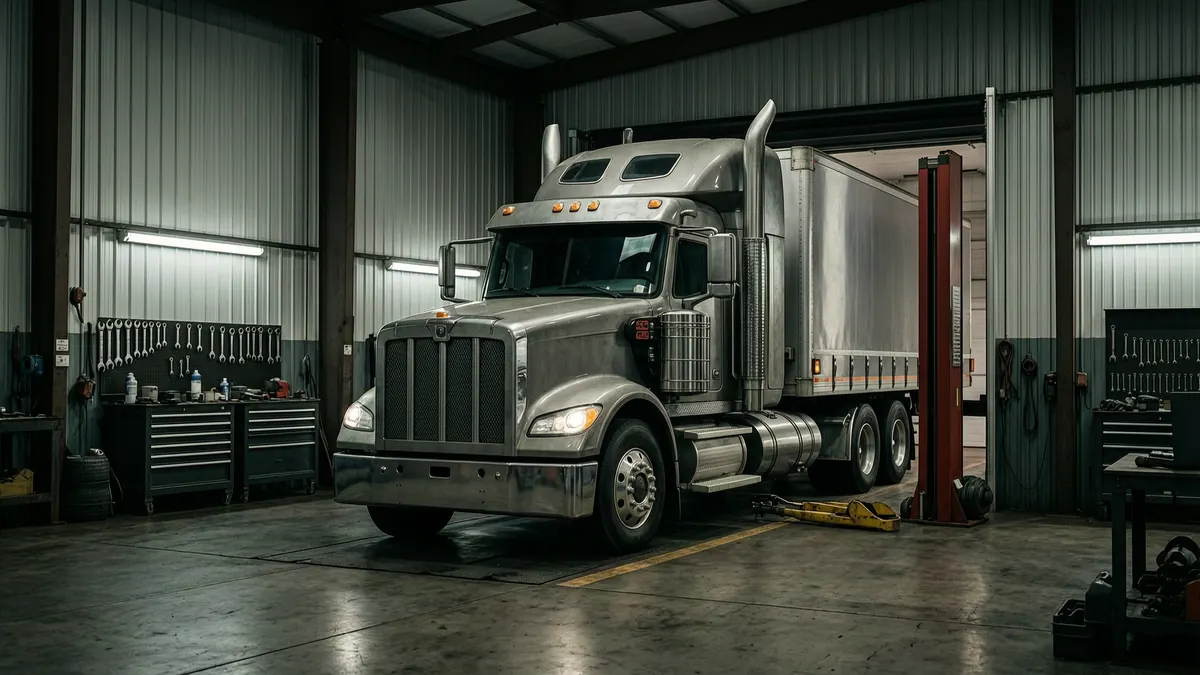
How miles and freight shape pay in Minnesota
The Twin Cities are the distribution capital of the Upper Midwest. The metro is home to the headquarters of major retailers and consumer-goods companies — big food, big retail, big ag — which means an unusually deep bench of dedicated lanes: grocery relays across Minnesota and the Dakotas, retail replenishment into Wisconsin, Iowa and the mountain west, and cold-chain work around the food processors. I-94 carries freight east-west between Seattle/Portland and Chicago, I-35 runs the NAFTA-era north-south spine from Duluth and the Iron Range down toward Texas, and Rochester's medical economy adds steady high-value freight. Grain, sugar beets and ag inputs keep a seasonal reefer and hopper market alive in the western counties.
Structurally, the market splits between a large Twin Cities local/regional pool (hourly or salary, home daily or every other night) and long-haul OTR running the I-94/I-35 corridors. Two Minnesotas exist by season: summer construction season and the fall grain harvest push demand and pay up; January and February thin both freight and hours, and drivers on strict CPM feel it hardest — hourly and dedicated drivers are somewhat insulated. Owner-operators should run every winter offer through the load profit calculator with cold-weather fuel burn priced in, and confirm the fuel surcharge mechanism weekly, since Upper Midwest diesel can swing hard around refinery upsets. More comparisons live on the truck driver pay by state hub.
The tax angle in Minnesota
Minnesota runs graduated income tax brackets from 5.35% up to 9.85% — one of the higher top rates in the country — and a typical driver wage commonly lands in the 6.8%–7.85% zone. On a $63,630 mean wage, expect the state to take roughly $3,800–$4,400 depending on filing status and credits. Social Security income is not taxed by the state, but W-2 drivers get no such break; owner-operators pay through the business and should work through the trucking tax deductions list carefully. Verify current brackets with the Minnesota Department of Revenue.
FAQ
How much do truck drivers make in Minnesota?
Per BLS OEWS (May 2025), heavy and tractor-trailer drivers in Minnesota earn a mean of $30.59/hour or $63,630/year, with a median of $61,990 and a 10th–90th percentile spread of $45,910–$81,830.
Is Minnesota pay above the national average for CDL drivers?
Yes — the $63,630 mean is about $3,900 above the national $59,710 for SOC 53-3032, and the 90th percentile of $81,830 is one of the stronger ceilings in the Midwest.
What freight moves in Minnesota?
Food and retail distribution out of the Twin Cities — home to major consumer brands and retailers — plus grain and ag inputs, medical freight to Rochester, and through traffic on I-94 and I-35.
Does Minnesota tax truck driver pay?
Yes — graduated rates from 5.35% up to 9.85%. A typical driver wage commonly lands in the 6.8%–7.85% bracket zone. Verify current brackets with the Minnesota Department of Revenue.
Is OTR or local work more common in Minnesota?
The Twin Cities anchor a deep regional market — dedicated grocery, retail and food-service routes — while I-94 and I-35 support long-haul OTR in every direction. Local hourly work is plentiful in the metro.
What per-mile pay can a company driver expect in Minnesota?
BLS does not track CPM. Company OTR positions in the Upper Midwest commonly advertise roughly $0.58–$0.78 per mile; confirm current offers with the carrier.